This SHOKZ OpenRun review looks at open-ear bone-conduction headphones for runners and workout listeners who want to hear audio while keeping their ears open to their surroundings.
OpenRun Headphones Review Summary
The quick verdict
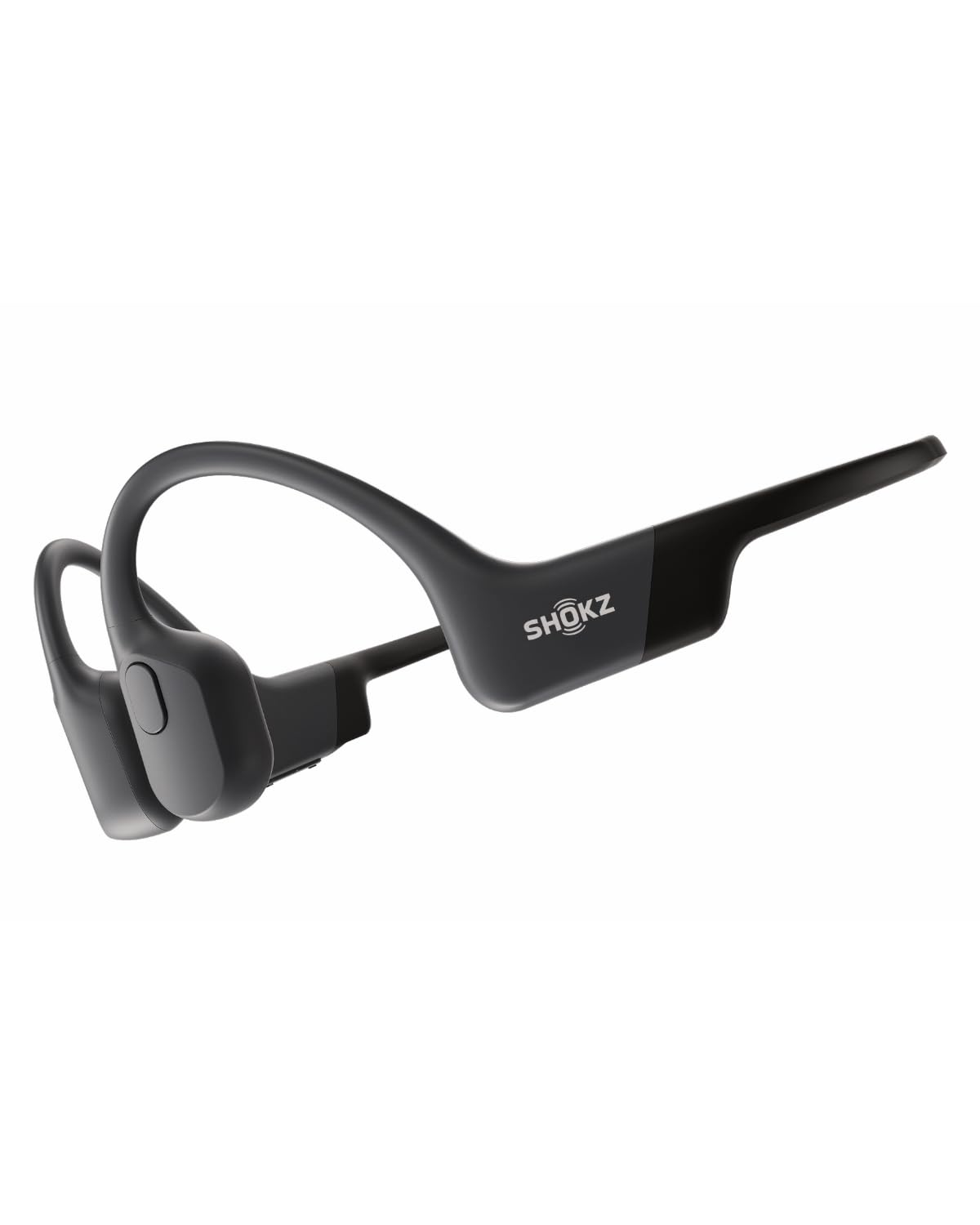
15,000+ ratings
Read Amazon ReviewsSHOKZ OpenRun
A fit for runners and workout listeners who want open-ear audio, extended listening time, and a sweat-resistant design.
- Open-ear, earbud-free listening with a featherweight wraparound frame.
- Eighth-generation bone-conduction technology transmits sound through the cheekbone to the inner ear.
- IP67-rated, sweat-resistant design; not suitable for swimming.
- Eight continuous hours of music, calls, and podcasts.

Pros
- Open-ear listening keeps the eardrums uncovered for awareness of surrounding sounds.
- IP67-rated, sweat-resistant construction is aimed at demanding workouts.
Consider before buying
- Open-ear listening does not isolate the listener from surrounding sound, so it may not suit people who need a more enclosed listening experience.
- The design is not suitable for swimming, despite its waterproof rating.
Read the full review summary
OpenRun’s wraparound, earbud-free fit and bone-conduction design make it a practical option for listeners who prefer not to cover or plug their ears during exercise.
Its IP67 rating and sweat-resistant construction suit demanding workout routines, though the design is not intended for swimming.
The useful draw is a combination of eight continuous hours of audio and calls, plus a 10-minute quick charge for up to 1.5 hours of battery life.
That makes OpenRun worth considering for regular training and longer listening sessions, provided an open-ear format matches your surroundings and listening preferences.
The buying factors
OpenRun Headphones Scorecard
Editorial scores reflect listed features and buyer fit; they are not laboratory measurements or customer ratings.
Open-ear awareness
The design leaves the eardrums open to surrounding sounds, a useful choice for workouts where hearing nearby activity matters. Open-ear listening does not itself guarantee safety.
Workout resistance
An IP67 rating and sweat-resistant construction make this a compelling workout-focused design, with swimming explicitly outside its intended use.
Listening time
Eight continuous hours of music, calls, and podcasts gives the headphones useful room for workouts and everyday listening between charges.
Quick-charge option
A 10-minute quick charge can provide up to 1.5 hours of battery life, which may help when a short top-up is all the schedule allows.
Fit approach
The featherweight wraparound frame and earbud-free fit appeal to listeners who prefer an open design for exercise.
Device compatibility
Bluetooth pairing with Android, iOS, Windows, and other Bluetooth-enabled devices gives the headphones broad device flexibility.
Key Features and Specifications of OpenRun Headphones
- Open-ear, earbud-free listening with a featherweight wraparound frame.
- Eighth-generation bone-conduction technology transmits sound through the cheekbone to the inner ear.
- IP67-rated, sweat-resistant design; not suitable for swimming.
- Eight continuous hours of music, calls, and podcasts.
- A 10-minute quick charge provides up to 1.5 hours of battery life.
- Bluetooth compatibility with Android, iOS, Windows, and other Bluetooth-enabled devices.
Pros and Cons of OpenRun Headphones
Pros
- Open-ear listening keeps the eardrums uncovered for awareness of surrounding sounds.
- IP67-rated, sweat-resistant construction is aimed at demanding workouts.
- Eight continuous hours cover music, calls, and podcasts.
- A quick charge offers up to 1.5 hours of battery life after 10 minutes.
- The wraparound frame and earbud-free fit suit listeners who dislike in-ear designs.
Consider before buying
- Open-ear listening does not isolate the listener from surrounding sound, so it may not suit people who need a more enclosed listening experience.
- The design is not suitable for swimming, despite its waterproof rating.
- For frequent outdoor calls, consider whether the open-ear fit suits your typical conditions before buying.
Who Should Buy OpenRun Headphones?
Good fit
Choose OpenRun if you want workout headphones that leave your ears open and use a wraparound, earbud-free fit. Bone-conduction audio sends vibrations through the cheekbone to the inner ear, while the open design lets surrounding sounds remain audible.
It is also a good fit for training routines that benefit from a sweat-resistant, IP67-rated build and up to eight continuous hours of music, calls, and podcasts.
The quick-charge option can help when you have only a short time to top up before heading out.
Consider it for Android, iOS, or Windows use if Bluetooth compatibility across devices matters. Its eight hours of music, calls, and podcasts make it an option for workouts and everyday listening.
Who should skip it
Skip OpenRun if you need headphones for swimming; its intended workout resistance does not make it suitable for that use.
It may also be a poor match if you want an enclosed fit that blocks surrounding noise, since OpenRun is designed for open-ear listening and leaves the eardrums uncovered.
OpenRun Headphones: Open-Ear Workout Tradeoffs
What the open-ear format changes
OpenRun leaves the eardrums open while bone-conduction vibrations travel through the cheekbone to the inner ear.
That setup suits listeners who want audio without inserting earbuds, while leaving environmental sounds audible; it is not a promise of safety in every workout setting.
Workout resistance and boundaries
The IP67-rated design is built for sweat-heavy workouts, but swimming is specifically outside its use case. Runners and gym users can weigh the resistance against their routines, while swimmers should choose a product intended for water use.
Battery and charging flexibility
Eight continuous hours across music, calls, and podcasts can cover repeated training sessions or daily listening.
The 10-minute quick-charge option adds up to 1.5 hours of battery life, useful for a short pre-workout charge when the headphones are low.
Fit and device setup
A featherweight wraparound frame keeps the design around the head rather than inside the ears, which may suit listeners who dislike earbuds.
Bluetooth pairing across Android, iOS, Windows, and other compatible devices also helps if you switch between phone and computer.
Alternatives to OpenRun Headphones
Low-impact workout alternative
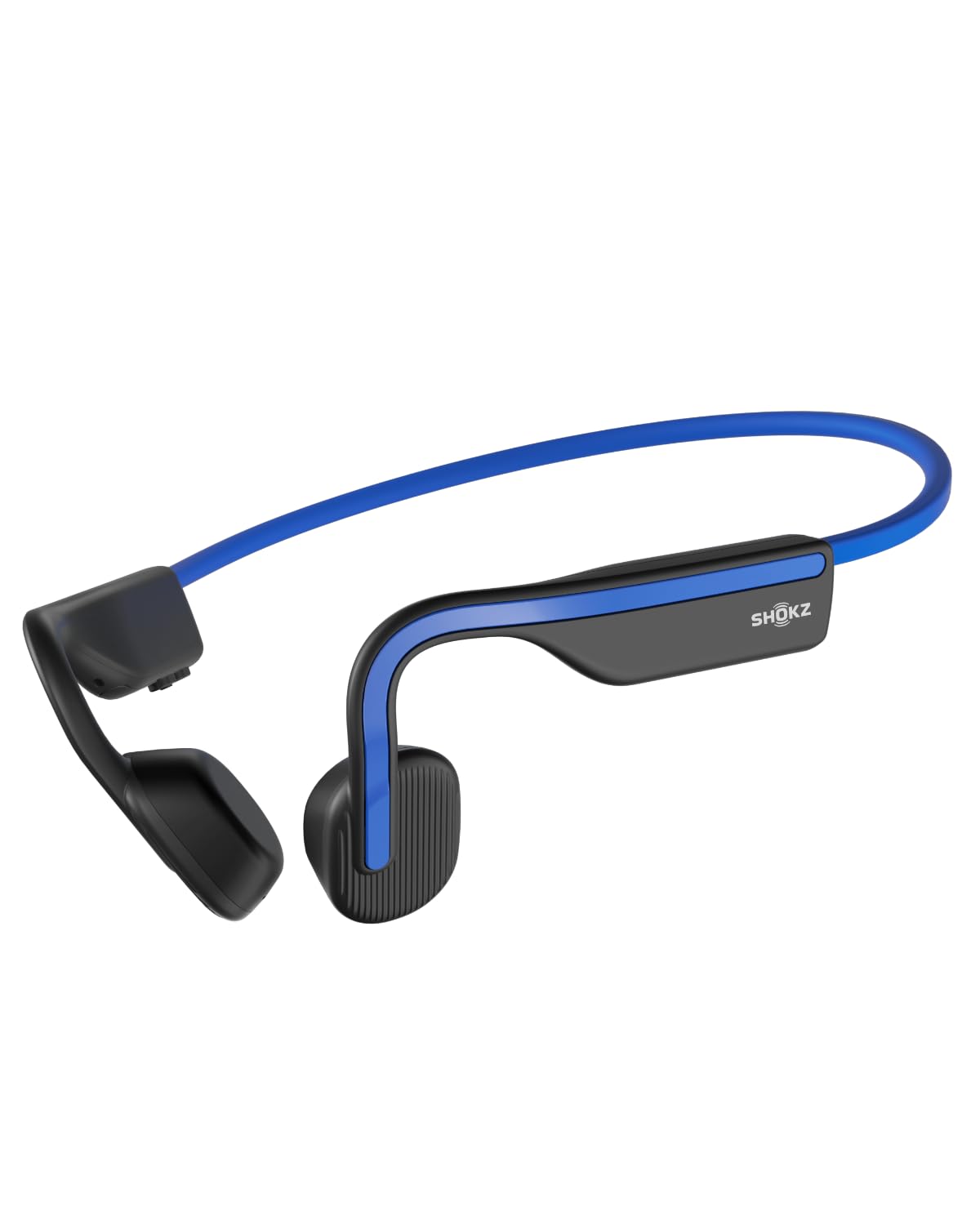
24,000+ ratings
Read Amazon ReviewsSHOKZ OpenMove
Pick OpenMove if six continuous hours meets your listening needs and a wraparound titanium frame for lower-impact activity is the priority.
OpenRun is the better fit if you want eight continuous hours and an IP67-rated design for intense workouts.
- OpenMove offers open-ear bone-conduction listening with six continuous hours of music and calls.
- Its wraparound titanium frame is aimed at low-impact activities such as light jogs and everyday commutes.
- OpenRun combines open-ear bone-conduction listening with eight continuous hours of music, calls, and podcasts, plus an IP67-rated sweat-resistant design for demanding workouts.
Is OpenRun Headphones Worth It?
SHOKZ OpenRun is worth considering if you want open-ear workout headphones with bone-conduction audio, a sweat-resistant IP67-rated design, and up to eight continuous hours for music, calls, and podcasts.
Its 10-minute quick charge can add up to 1.5 hours of battery life when time is short.
It is not the right pick for swimming or for listeners seeking an enclosed fit that blocks environmental sound.
For runners and workout listeners who value awareness and an earbud-free design, though, OpenRun’s balance of open-ear fit, battery life, and workout resistance makes it a strong match.
Your review at a glance
15,000+ ratings
Read Amazon ReviewsSHOKZ OpenRun
A fit for runners and workout listeners who want open-ear audio, extended listening time, and a sweat-resistant design.
- Open-ear, earbud-free listening with a featherweight wraparound frame.
- Eighth-generation bone-conduction technology transmits sound through the cheekbone to the inner ear.
- IP67-rated, sweat-resistant design; not suitable for swimming.
- Eight continuous hours of music, calls, and podcasts.